Health and Safety Policy for Removal Companies
 Health and safety is central to every successful move. For removal companies, protecting staff, customers, and property begins with a clear policy that sets standards for planning, lifting, packing, transport, and on-site behaviour. A safe operation is not only about compliance; it also supports efficiency, reduces damage, and helps ensure that every relocation is completed with care and professionalism.
Our approach to safety management is built on prevention. We assess tasks before work begins, identify hazards, and apply controls that reduce risk at every stage of the move. This includes safe handling techniques, suitable equipment use, clean workspaces, and clear communication between team members. Every employee is expected to follow safe systems of work and to stop work if conditions become unsafe.
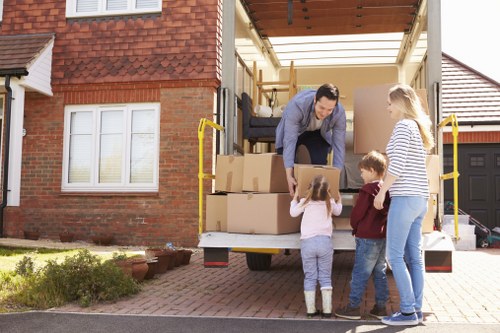 Removal company safety depends on good preparation. Before any job, operatives should review the property layout, access points, item types, and likely hazards such as narrow stairs, fragile goods, trip risks, or awkward carrying routes. Proper planning allows the team to choose the right tools, staffing levels, and moving method. It also helps protect surfaces, minimise disruption, and avoid preventable incidents.
All personnel must be trained to recognise risks and work responsibly. Training should cover manual handling, use of trolleys and protective aids, safe loading practices, emergency procedures, and reporting requirements. Supervisors must ensure that workers understand their responsibilities and that temporary staff are given clear instructions before beginning work. A well-trained team is the foundation of a safer removals service.
The company expects all lifting to be carried out using approved techniques. Team members should bend the knees, keep loads close to the body, avoid twisting, and request assistance when items are too heavy, bulky, or unstable. Where needed, two-person lifts or mechanical aids should be used. Safe lifting practices reduce the likelihood of strains, sprains, and dropped items, while also protecting buildings and contents.
 Packing and loading also require careful attention. Boxes should be sealed correctly, labelled where necessary, and stacked in a stable way that prevents shifting during transit. Breakable items must be secured with suitable packing materials, and hazardous goods should never be carried unless approved and handled in line with applicable rules. A structured loading sequence helps maintain balance in the vehicle and reduces the chance of damage.
Vehicles used by removal companies must be kept in good condition and checked regularly. Daily inspections should cover tyres, lights, mirrors, brakes, load restraint equipment, and general roadworthiness. Drivers must be properly licensed, fit for duty, and aware of load limits and route risks. If a vehicle defect is identified, it should be reported immediately and the vehicle taken out of service until safe to use.
House moving safety continues during transport and unloading. Loads must be restrained securely so that they do not move in transit. At the destination, the team should take extra care on stairs, uneven surfaces, and in tight hallways. Clear verbal communication between crew members is essential, especially when manoeuvring large furniture or navigating obstacles. Good communication helps prevent collisions, falls, and property damage.
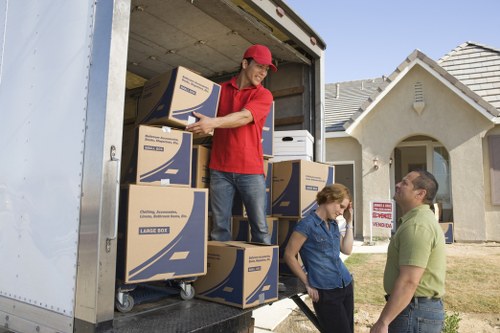 Site conditions can change quickly, so workers must stay alert throughout the job. Wet floors, poor lighting, pets, children, broken paving, and overcrowded rooms all increase the risk of accidents. Team members should wear suitable footwear and any required personal protective equipment, such as gloves or hi-vis clothing where appropriate. The goal is to maintain a professional standard of safe removal operations under varying conditions.
Emergency preparedness is another key part of the policy. All staff should know how to respond to accidents, injuries, vehicle issues, and fire-related situations. First aid supplies should be available, and at least some employees should hold current first aid training. Incidents, near misses, and hazards must be recorded and reviewed so that lessons can be learned and future risks reduced.
Management is responsible for monitoring performance and ensuring that safety measures remain effective. Regular reviews should be carried out to confirm that training is up to date, equipment is suitable, and procedures reflect current legal duties and best practice. Where improvements are needed, action should be taken promptly. A proactive safety culture supports both staff wellbeing and service quality.
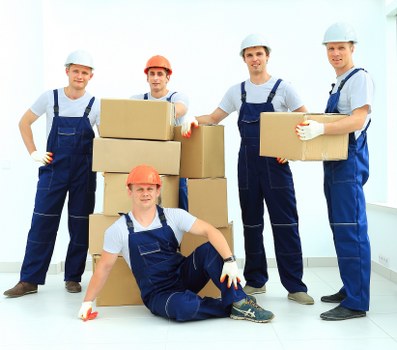 This policy applies to all areas of work carried out by the business, including packing, loading, transport, and unloading. Every employee, contractor, and supervisor has a role in maintaining a safe environment. By applying consistent standards, removal firms can reduce accidents, protect valuable possessions, and deliver a reliable service built on responsibility, care, and professionalism.